You shipped a major feature this week. The code is clean. Users are happy. The thing works.
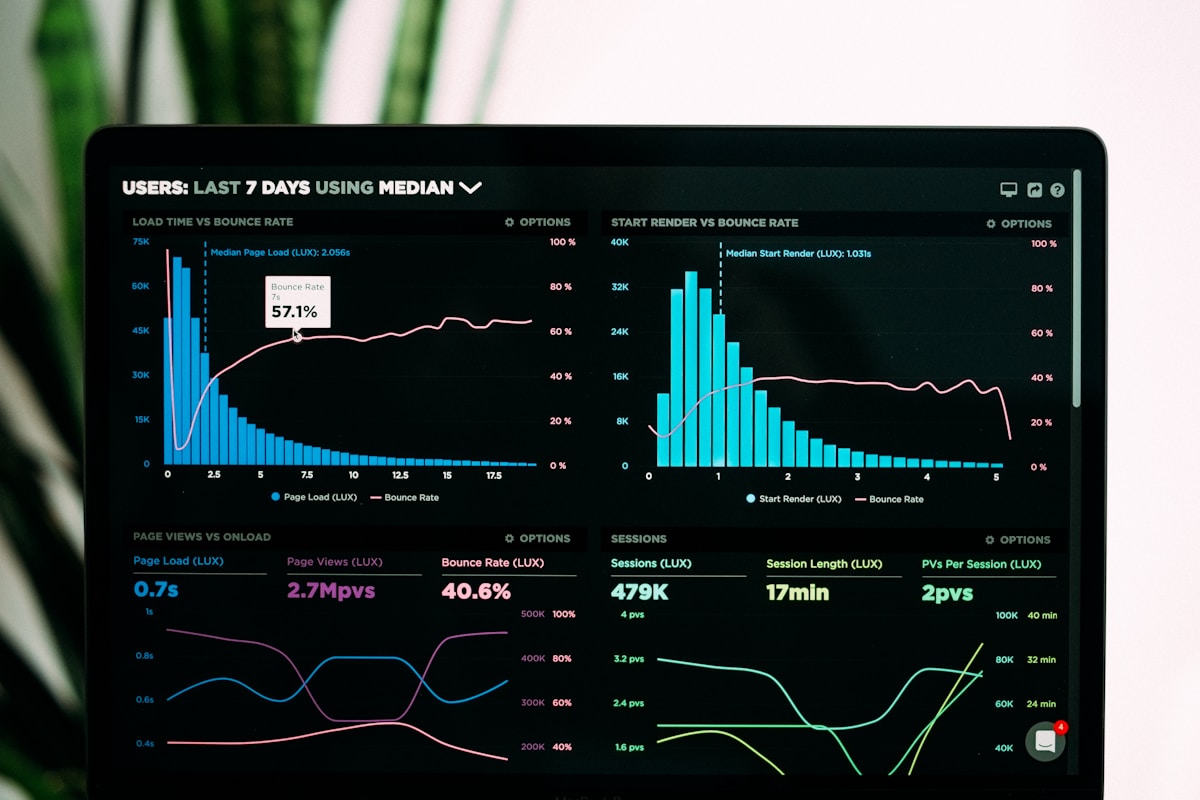
But the dashboard shows your velocity dropped 15% compared to last sprint. Your completion rate is “concerning.” The burndown chart slopes the wrong way.
According to the metrics, you’re failing. According to reality, you’re succeeding.
This is what it looks like when metrics gaslight makers.
The Distortion Machine
Metrics are supposed to reflect reality. But they often create a parallel reality that contradicts experience.
This happens because metrics measure what’s countable, not what’s valuable. They track tickets closed, not problems solved. Story points completed, not quality shipped. Time logged, not outcomes achieved.
When these abstractions diverge from reality, the metrics don’t update - your perception does. You start believing the dashboard instead of your experience. You feel behind when you’re ahead. You feel unproductive when you’re producing.
That’s gaslighting: making someone distrust their own perception in favor of an external narrative.
How It Happens
Several mechanisms create this distortion:
Arbitrary baselines. Velocity is measured against previous sprints. But previous sprints might have been unsustainably fast, artificially easy, or just different work. The baseline becomes a trap.
Counting the wrong things. Not all tickets are equal. A ticket that takes an hour might matter more than ten that take five minutes each. The metric sees ten, not one. The metric is wrong.
Context collapse. Metrics strip context. Was the sprint slow because of vacation, illness, technical debt, or a hard problem? The number doesn’t say. It just says “down.”
Comparison spirals. Dashboards invite comparison - to other sprints, other teams, other people. But those comparisons are usually invalid. Different work, different constraints, different definitions.
The Anxiety Tax
Metric gaslighting extracts a tax on makers.
When the dashboard says you’re failing, anxiety follows. You question your performance. You wonder if you’re working hard enough. You feel pressure to game the numbers next sprint.
This anxiety doesn’t improve work. It consumes energy that could go to actual production. It creates the burnout loop: work harder to fix the metrics, burn out, metrics get worse.
The worst part: the anxiety is based on fiction. The numbers are wrong. You’re actually fine. But the dashboard’s authority overrides your judgment.
When Metrics Actually Help
Metrics aren’t universally bad. At scale, they serve real purposes.
A hundred-person engineering org needs signals about where work is stuck, which teams are overloaded, and how initiatives progress across quarters. Portfolio-level visibility helps leadership allocate resources. Cross-team metrics help prevent collisions and identify bottlenecks.
The problem is scope creep - applying enterprise coordination tools to teams that don’t need them. A five-person team tracking velocity across sprints has created overhead without creating insight. They already know who’s working on what. The dashboard just makes it look more official.
As many processes as needed. As few as possible. All the time.
Most teams using metric dashboards would be better served by a whiteboard and a weekly conversation. The metrics exist because someone bought an enterprise tool, not because the team required enterprise coordination.
The Alternative: No Metrics
kanman.ai doesn’t show productivity metrics. No velocity charts. No burndown graphs. No completion percentages. No comparisons.
You see your projects. You see your tasks. You see what’s done and what’s not. That’s the only measurement: done or not done.
This sounds radical, but it’s actually the simplest possible measurement. Did you ship the thing? That’s the question. Not how fast, not compared to what, not according to which estimation methodology.
The absence of metrics isn’t a feature gap. It’s a deliberate design choice. kanman.ai trusts you to know whether you’re being productive without requiring a dashboard to validate it.
What Matters Instead
If metrics don’t measure what matters, what does?
Shipped work. Did the feature go out? Did the bug get fixed? Did the project complete? These are observable outcomes, not abstractions.
Quality. Does the thing work? Are users happy? Is the code maintainable? Quality doesn’t fit in a number.
Sustainability. Can you keep this pace? Are you burning out or coasting? Sustainability is felt, not measured.
Learning. Did you get better? Did the team improve? Growth is long-term and hard to quantify.
These matter more than velocity scores. But they can’t be dashboarded, so productivity culture ignores them.
Reclaiming Your Perception
If you’re caught in metric gaslighting, start trusting yourself again.
Notice when dashboards contradict your experience. Notice when you feel behind despite shipping. Notice when the numbers don’t match reality.
Then question the numbers, not yourself.
Metrics are one signal, not the signal. They’re often wrong. They’re always incomplete. Your direct experience of the work is more accurate than any abstraction of it.
The Quiet Confidence
Makers who escape metric gaslighting develop a quiet confidence.
They know what they shipped. They don’t need a dashboard to validate it. They track progress by looking at the work, not at charts about the work.
kanman.ai supports this confidence. The tool shows your projects without judging them. Shows your completed tasks without scoring them. Lets outcomes speak without commentary.
No metrics means no gaslighting. No charts means no distortion. Just the work, and your own judgment of it.
Ready to trust your own experience? Shows your projects without productivity metrics. No velocity, no burndown, no gaslighting. kanman.ai - annual workspace subscriptions. $8 / mo for individuals, $100 / mo.

Marco Kerwitz
Founder of kanman.ai